
Published April 21, 2022
Remodeling a Kitchen in a Smart Way

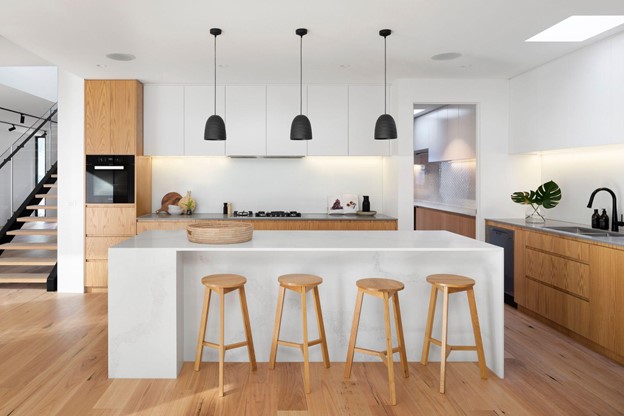
Kitchen renovation is more expensive than any other home improvement job, and
for good reason. Kitchens are the heart of the house and a source of pride for
many people.
Homeowners are also
enthusiastic about the idea. Those surveyed in the research awarded their new
kitchen a "joy score" of 10 (out of 10! ), a grade based on how
pleased or content they were with their remodeling, with 10 being the greatest
and 1 being the lowest.
Follow these seven
strategies to help you earn a decent return on your kitchen remodels:
Make a strategy
The planning stage of a kitchen remodel
should take longer than the construction stage. If you prepare ahead of time,
you can limit the amount of time you're inconvenienced by creating havoc.
You'll be more likely to stick to your spending plan as well.
When it comes to planning, how much time should you leave aside? The National Kitchen and Bath Association recommends waiting at least six months. You won't be tempted to change your mind and issue change orders during construction, rising construction costs and lowering your return on investment.
Some helpful tips for planning:
Examine the following aspects of your
present kitchen: What is the width of your kitchen's entryway? Many people make the
mistake of buying an extra-large refrigerator just to find out that it won't
fit through the door. To avoid mistakes like these, make a drawing of your
kitchen with measurements for entrances, paths, worktops, and other elements. Remember
to factor in your height.
Consider the following
traffic patterns: Work aisles should be at least 42 inches wide for single
chefs and at least 48 inches wide for multi-cook families.
Consider ergonomics
while designing: Base cabinet drawers or pull-out shelves, adjustable counter
heights, and a wall oven rather than a range are all characteristics that make
a kitchen accessible to everyone — and enjoyable to work in.
Anticipate the unexpected: Even if you've planned your makeover down to the
number of nails you'll need, anticipate the unexpected. When it comes to
finalizing the project, leave some wiggle space. Is it a requirement that it be
completed by Thanksgiving? Then set a deadline for yourself to finish before
Halloween.
Make sure you have all of your fixtures and materials ready to go before you start: Contractors will be able to provide more precise bids, and the risk of backorder delays will be avoided.
Don't be hesitant to ask for assistance: Your kitchen redesign might be made easier with the help of a professional designer. Professionals assist in making stylistic judgments, anticipating future issues, and scheduling contractors. Fees should be in the range of 10% to 17% of the project's overall expenditure. Make sure consider every little detail, from choosing the colors, to choosing a custom range hood.
When it comes to appliances, it's time
to face the facts.
It's easy to get
carried away when it comes to planning your new kitchen. While a six-burner
commercial-grade range and a luxury-brand refrigerator may seem attractive,
they may not be suitable for your cooking needs or lifestyle.
The most prevalent
sorts of appliances are those for cooking and storage. The focus of any kitchen
redesign should be on the overall design and usefulness of the kitchen, not on
the gadgets.
Unless you're a great cook who cooks a lot, invest in long-term aspects like cabinetry and flooring that increase value.
Then choose goods that
have earned positive evaluations on the internet and in Consumer Reports.
Keep Your Footprint the Same
The expense of a makeover
will rise if plumbing connections and electrical outlets are relocated, as well
as walls are demolished. When unforeseen problems develop, this is typically
the case.
If at all feasible, keep appliances, water fixtures, and walls in the same location. You'll not only save money on demolition and rebuilding, but you'll also limit the amount of dust and waste produced by your project.
Don't Underestimate Lighting's Influence
Lighting in a kitchen may
make all the difference. It has the ability to make it appear bigger and
brighter. It will also help you to operate safely and efficiently. There should
be two types of illumination in your kitchen:
Because cabinets
provide such a gloomy working environment, under-cabinet lighting should be on
your must-have list. There's no better time to hard-wire your lights than while
you're remodeling. To avoid shadows, use at least two lamps per job area. For islands
and other workstations without low cabinets, pendant lights are ideal. When
there are no cabinets overhead, recessed and track lights work nicely over
sinks and small prep spaces.
Flush-mounted ceiling lamps, wall sconces, and track lights provide ambient lighting in your kitchen. Dimmer switches can be used to change the lighting's intensity and mood.
Be concerned about the quality of your work.
Functionality and durability should be
key priorities when renovating a kitchen. Avoid low-quality bargains and go for
items with low maintenance requirements and a long warranty period.
Solid-surface countertops, for example, are more expensive, but they will
endure a long time if properly maintained.
Devices with long
warranties are also a selling point if you're planning to sell your home soon.
|


or another way